


-

Add: HeBei ShengShi HongBang Cellulose Technology CO.,LTD.
-

Email
13180486930@163.com -

CONTACT US
+86 13180486930

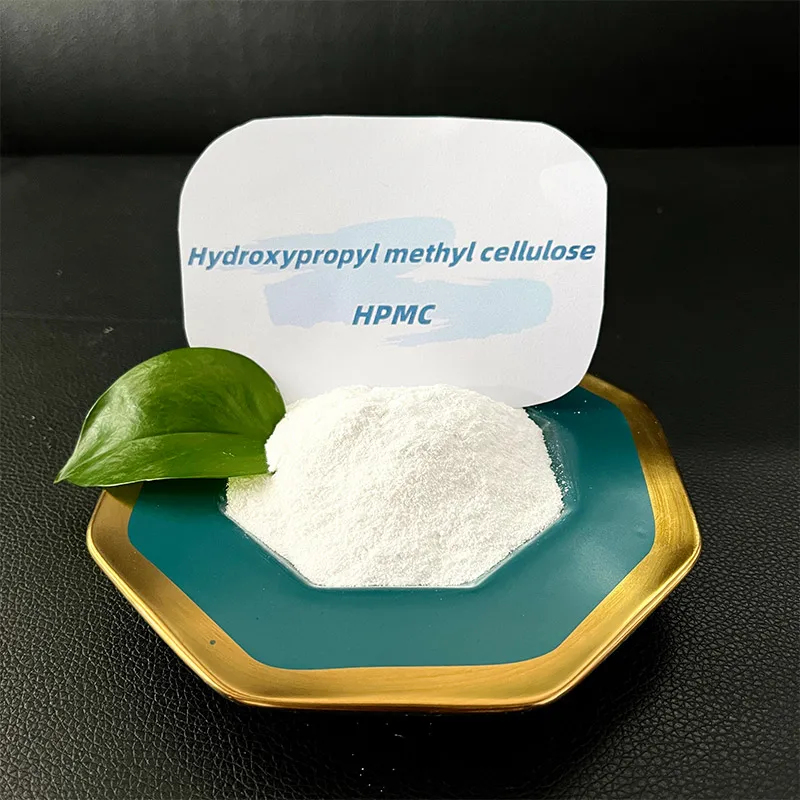




Understanding Hydroxypropyl Methyl Cellulose (HPMC): A Core Polymer in Modern Industry Hydroxypropyl Methyl Cellulose HPMC , a prominent non-ionic cellulose ether, stands as a cornerstone in a multitude of industrial applications. Derived from natural cellulose, this versatile polymer is engineered through a sophisticated chemical modification process, resulting in a product with exceptional thickening, water retention, film-forming, and binding properties. Its unique molecular structure allows it to dissolve in cold water, forming a clear, viscous solution, and to exhibit thermogelation, a characteristic crucial for specific high-performance applications. This section delves into the fundamental aspects of HPMC, highlighting its significance across diverse sectors and setting the stage for a comprehensive exploration of its technical advantages and widespread utility in advanced formulations and materials. As global industries continually seek sustainable and high-performing additives, the demand for high-quality Hydroxypropyl Methyl Cellulose HPMC continues to surge. From construction and pharmaceuticals to food and cosmetics, HPMC plays a critical role in enhancing product efficacy, stability, and workability. Its adaptability allows manufacturers to precisely control rheology, improve adhesion, and extend open time in various systems. Understanding the intricate details of its production, technical specifications, and diverse application landscapes is vital for decision-makers and technical professionals aiming to optimize their product formulations and maintain a competitive edge in today's dynamic market. The Advanced Manufacturing Process of Hydroxypropyl Methyl Cellulose HPMC The production of Hydroxypropyl Methyl Cellulose HPMC is a meticulous chemical synthesis process, demanding precision and adherence to strict quality controls at every stage. It begins with highly purified cellulose, typically derived from wood pulp or cotton linters, which serves as the primary raw material. This natural polymer undergoes a series of reactions to introduce hydroxypropyl and methoxy groups, thereby altering its solubility and functional properties. The initial step involves alkalization, where cellulose reacts with caustic soda (sodium hydroxide) in a controlled environment. This crucial reaction opens up the cellulose structure, making it more reactive for subsequent etherification. Following alkalization, the alkali cellulose is transferred to a reaction vessel where it is treated with methyl chloride and propylene oxide. This etherification process is carefully monitored to control the degree of substitution (DS) and the molar substitution (MS), parameters that dictate the final product's viscosity, solubility, and gelation temperature. Once the etherification is complete, the crude Hydroxypropyl Methyl Cellulose HPMC undergoes a rigorous purification process, typically involving washing with hot water to remove salts and unreacted reagents. This ensures a high-purity product free from impurities that could compromise performance in sensitive applications like pharmaceuticals or food. The purified HPMC slurry is then dewatered, dried, and ground into a fine powder. The grinding and sieving processes are critical for achieving the desired particle size distribution, which directly impacts dissolution rates and dispersion in end-use formulations. Quality control checkpoints are integrated throughout the manufacturing line, involving physical and chemical tests to confirm compliance with international standards such as ISO and industry-specific regulations like USP or Ph. Eur. for pharmaceutical grades, and FCC for food grades. This stringent quality assurance ensures consistent product quality, excellent service life, and optimal performance across its diverse applications in industries such as construction, pharmaceuticals, and food production. Technical Parameters and Key Specifications of HPMC The performance of Hydroxypropyl Methyl Cellulose HPMC is largely defined by its specific technical parameters, which are carefully controlled during manufacturing to meet diverse application requirements. Key parameters include viscosity, which influences thickening power; degree of substitution (DS) and molar substitution (MS), affecting solubility and gelation characteristics; moisture content; ash content; and particle size. Viscosity, often measured as a 2% solution at 20°C, can range from a few mPa.s for low-viscosity grades used in pharmaceutical coatings to tens of thousands of mPa.s for high-viscosity grades critical for tile adhesives and cement-based renders. Understanding these specifications is crucial for formulators to select the appropriate grade of Hydroxypropyl Methyl Cellulose HPMC for their specific needs, ensuring optimal performance, consistency, and cost-efficiency. For instance, a high-viscosity HPMC might be preferred in tile adhesives to improve anti-sag properties and water retention, while a lower-viscosity grade could be ideal for self-leveling compounds or pharmaceutical tablet coatings requiring excellent film formation without excessive thickening. Typical HPMC Grade Specifications Parameter Low Viscosity Grade (e.g., K4M) Medium Viscosity Grade (e.g., K15M) High Viscosity Grade (e.g., K100M) Viscosity (2% solution, 20°C, mPa.s) 3,000 - 5,000 12,000 - 18,000 80,000 - 120,000 Hydroxypropoxyl Content (%) 4.0 - 7.5 7.0 - 12.0 7.0 - 12.0 Methoxyl Content (%) 28.0 - 30.0 19.0 - 24.0 19.0 - 24.0 Gelation Temperature (2% solution, °C) 58 - 64 60 - 75 70 - 90 Particle Size 98% pass 100 mesh 98% pass 100 mesh 98% pass 100 mesh Note: Values are typical and may vary slightly between manufacturers and specific product series. Versatile Applications and Technical Advantages of HPMC The unparalleled versatility of Hydroxypropyl Methyl Cellulose HPMC makes it indispensable across a broad spectrum of industries, each benefiting from its unique functional properties. In the construction industry, HPMC is a critical additive in cement-based mortars, tile adhesives, renders, and self-leveling compounds. It significantly improves water retention, preventing premature drying and ensuring proper cement hydration, leading to enhanced bond strength and reduced cracking. Furthermore, it acts as a rheology modifier, improving workability, anti-sag properties, and open time, which are crucial for consistent application and finish quality. In the pharmaceutical industry, specialized grades of Hydroxypropyl Methyl Cellulose HPMC are widely used as binders in tablets, film-forming agents for coatings, extended-release matrices, and thickeners in liquid formulations. Its non-toxic, non-allergenic, and chemically inert nature, combined with excellent film-forming capabilities, makes it an ideal excipient for oral dosage forms. For food applications, HPMC serves as a thickening agent, emulsifier, stabilizer, and suspending agent in products like sauces, dressings, and baked goods, contributing to improved texture, mouthfeel, and shelf stability. Its thermal gelling properties are particularly advantageous in vegetarian and vegan food alternatives. Beyond these, HPMC finds extensive use in paints and coatings as a thickener and rheology modifier, enhancing brushability, flow, and pigment suspension. In personal care products and cosmetics, it functions as a thickener, emulsion stabilizer, and film former in shampoos, lotions, and creams, improving texture and application properties. The primary technical advantages of HPMC lie in its ability to consistently deliver high water retention, superior thickening efficiency, excellent pseudoplasticity for ease of application, good film-forming capacity, and robust adhesive properties. These attributes contribute to energy savings by reducing material waste and improving application efficiency, while also extending the service life of finished products by enhancing durability and stability. Customization, Solutions, and Industry Trends Recognizing that no two applications are exactly alike, leading manufacturers of Hydroxypropyl Methyl Cellulose HPMC offer extensive customization and technical support to develop tailored solutions. This includes fine-tuning viscosity, optimizing dissolution rates, adjusting gelation temperatures, and modifying surface treatments to enhance specific functionalities like dispersion or anti-caking. For B2B clients, this means access to HPMC grades precisely engineered to meet their unique formulation challenges, whether it's achieving specific rheological profiles for high-performance renders or ensuring rapid release properties for pharmaceutical tablets. This collaborative approach allows for optimized product performance and cost-efficiency, ensuring seamless integration into existing manufacturing processes. Current industry trends for Hydroxypropyl Methyl Cellulose HPMC are shaped by a growing emphasis on sustainability, performance enhancement, and supply chain resilience. There is a rising demand for bio-based and environmentally friendly alternatives, which HPMC, derived from natural cellulose, inherently supports. Innovations are focusing on developing HPMC grades with improved dispersibility, enhanced enzyme resistance, and better compatibility with other formulation components, particularly in ready-mix construction materials and advanced pharmaceutical excipients. Furthermore, the push for digital transformation in manufacturing and logistics is leading to more transparent and efficient supply chains, ensuring consistent delivery and quality control for bulk purchasers and specialized industries. The market is also witnessing a surge in research and development aimed at creating multi-functional HPMC derivatives that can impart several benefits simultaneously, such as improved water repellency alongside thickening, or enhanced adhesion coupled with extended open time. These advancements enable formulators to streamline their ingredient lists, reduce complexity, and potentially lower overall production costs while achieving superior product characteristics. Leading suppliers are investing in sophisticated analytical techniques and pilot plant facilities to provide comprehensive technical service and support for product development, ensuring clients receive not just a product, but a complete solution tailored to their market demands. Quality Assurance, Certifications, and Trustworthiness Establishing and maintaining trust is paramount in the B2B chemical supply chain. For Hydroxypropyl Methyl Cellulose HPMC , this hinges on rigorous quality assurance protocols and adherence to international certifications. Reputable manufacturers operate under ISO 9001 quality management systems, ensuring consistency from raw material sourcing to final product packaging. For pharmaceutical and food-grade HPMC, compliance with Good Manufacturing Practice (GMP) is non-negotiable, often accompanied by certifications like USP (United States Pharmacopeia), Ph. Eur. (European Pharmacopoeia), and FCC (Food Chemicals Codex), which guarantee product purity, potency, and safety. Transparent communication regarding testing methodologies, product specifications, and regulatory compliance builds significant confidence. Comprehensive Certificates of Analysis (CoA) accompany each batch, detailing key parameters and confirming that the Hydroxypropyl Methyl Cellulose HPMC meets or exceeds industry benchmarks. This commitment to quality is reinforced by long-standing client relationships and a proven track record of consistent product performance and reliability across various demanding applications. Long-term service agreements and robust technical support further solidify the partnership, providing clients with peace of mind. Frequently Asked Questions (FAQs) Q: What is the primary function of HPMC in construction materials? A: HPMC primarily functions as a water retention agent, thickener, and rheology modifier in construction materials like mortars and tile adhesives. It improves workability, prevents premature drying, enhances adhesion, and provides anti-sag properties. Q: Is HPMC safe for pharmaceutical and food applications? A: Yes, highly purified grades of Hydroxypropyl Methyl Cellulose HPMC are widely approved for use in pharmaceutical and food applications. They must comply with specific pharmacopeial standards (e.g., USP, Ph. Eur.) and food additive regulations (e.g., FCC) to ensure safety and quality. Q: How does HPMC contribute to sustainability? A: HPMC is derived from natural, renewable cellulose sources. Its use in various applications can contribute to material efficiency, reduce waste, and improve the durability of end products, aligning with broader sustainability goals in industries. Q: What is the typical delivery cycle for bulk orders? A: Delivery cycles for bulk orders of Hydroxypropyl Methyl Cellulose HPMC typically range from 7 to 14 business days, depending on destination, order volume, and specific customization requirements. Expedited shipping options are often available for urgent needs. Q: Do you offer technical support for formulation development? A: Yes, reputable suppliers provide comprehensive technical support, including formulation guidance, product selection advice, and troubleshooting assistance. This ensures clients can effectively integrate Hydroxypropyl Methyl Cellulose HPMC into their products and optimize performance. Supplier Comparison and Strategic Partnerships When selecting a supplier for Hydroxypropyl Methyl Cellulose HPMC , B2B decision-makers should consider several critical factors beyond just price. A reliable partner offers not only high-quality products but also consistent supply, robust technical support, and the flexibility to meet evolving industry demands. Key differentiators include a manufacturer's commitment to research and development, their adherence to stringent quality control standards, and their ability to provide customized solutions for specific application needs. A strong track record of successful client partnerships and timely global delivery capabilities are also indicative of a trustworthy supplier. Strategic partnerships often extend to collaborative innovation, where the supplier works closely with the client to optimize existing formulations or develop entirely new products leveraging the unique properties of Hydroxypropyl Methyl Cellulose HPMC . This level of engagement provides a competitive advantage, ensuring that clients can quickly adapt to market changes and introduce innovative products. Look for suppliers who can demonstrate long-term stability, invest in sustainable practices, and offer comprehensive support throughout the entire product lifecycle, from initial consultation to after-sales service. Conclusion: HPMC as a Foundation for Industrial Innovation Hydroxypropyl Methyl Cellulose HPMC continues to prove its invaluable role across a diverse range of industries, from enhancing the performance of construction materials to ensuring the safety and efficacy of pharmaceutical and food products. Its versatile properties, stemming from a precise manufacturing process, allow it to serve as a critical additive for thickening, water retention, binding, and film formation. As industries evolve, driven by demands for greater sustainability, efficiency, and advanced functionality, the adaptable nature of HPMC ensures its continued relevance and importance as a foundational polymer. For B2B stakeholders, understanding the technical depth, application breadth, and quality assurance behind Hydroxypropyl Methyl Cellulose HPMC is essential for strategic decision-making. Partnering with a reliable supplier committed to innovation, stringent quality control, and comprehensive technical support is key to unlocking the full potential of this exceptional material in your specific applications, ultimately leading to superior product performance and sustained market leadership. References Rowe, R. C., Sheskey, P. J., & Quinn, M. E. (2009). Handbook of Pharmaceutical Excipients (6th ed.). Pharmaceutical Press. Bäckström, L., & Grenthe, I. (2007). Cellulosic Materials in Construction: A Review. Cement and Concrete Composites, 29(1), 1-13. Klemm, D., Philipp, B., Heinze, T., Heinze, U., & Wagenknecht, W. (1998). Comprehensive Cellulose Chemistry: Fundamentals and Applications. Wiley-VCH. Thomas, S. L. (2006). Food Hydrocolloids: Isolation, Characterization and Applications. CRC Press. U.S. Food and Drug Administration. (Various). Code of Federal Regulations, Title 21 - Food and Drugs.
- 40000tons

Production
- 20+years

Experience
- 5000+㎡

Acreage

-
Understanding the nuances of HPMC enteric coating is crucial for anyone involved in pharmaceuticals, especially when aiming for optimized drug delivery. Hydroxypropyl methylcellulose (HPMC) is renowned for its versatility and application in enteric coatings . These coatings are specifically designed to remain intact in the acidic environment of the stomach, and only dissolve in the more neutral to alkaline conditions of the intestine, ensuring that the active pharmaceutical ingredient (API) is released at the optimal site for absorption and efficacy. The use of HPMC in enteric coating primarily involves its ability to protect drugs from gastric juices and enhance their stability and bioavailability. This protection is particularly beneficial for API that can be degraded or inactivated by stomach acid, such as enzymes and probiotics. Moreover, HPMC enteric coating can also be applied to achieve a delayed release of medication, such as in chronotherapy where timing is crucial for the medical condition being treated. A significant experience shared by pharmaceutical professionals centers around the customization possibilities of HPMC enteric coatings. Unlike other polymers, HPMC allows for a fine-tuning of dissolution properties through modification of its chemical structure, including its methoxy and hydroxypropoxy groups. This flexibility provides formulators with the advantage of designing coatings that match the dissolution profile necessary for a specific drug, taking into consideration factors like release time and intestinal pH. Expertise in applying HPMC as an enteric coating also involves a deep understanding of its interplay with other formulation components. The pH-sensitive nature of HPMC can be influenced by the presence of plasticizers, anti-tacking agents, and other excipients. A meticulous balance must be struck as improper levels can lead to brittleness or premature dissolution, thereby compromising the drug's efficacy. hpmc enteric coating Authoritativeness in the field is demonstrated by data from trials and studies indicating the effectiveness of HPMC coatings. Clinical trials consistently reveal that tablets and capsules coated with HPMC show reliable protection in the gastric region with precise release in the intestines, leading to improved patient outcomes. This empirical evidence backs the choice of HPMC by researchers and formulators seeking dependable enteric solutions. In terms of trustworthiness, HPMC offers several advantages. Its safety profile is well-established, with years of historical use and regulatory approval in various countries. It is non-toxic and non-irritating, which reinforces its credibility and suitability for both human and veterinary pharmaceutical applications. Furthermore, its natural origin as a cellulose-derived polymer appeals to the growing demand for sustainable and biodegradable excipients. In conclusion, HPMC enteric coating stands out as a crucial tool in modern drug delivery systems. Its ability to protect APIs from stomach acids, coupled with its customization potential and proven track record, makes it an indispensable component in pharmaceutical formulations. For manufacturers and formulators seeking reliability and efficacy, HPMC enteric coatings offer a time-tested solution that aligns with both current and emerging industry standards.
-
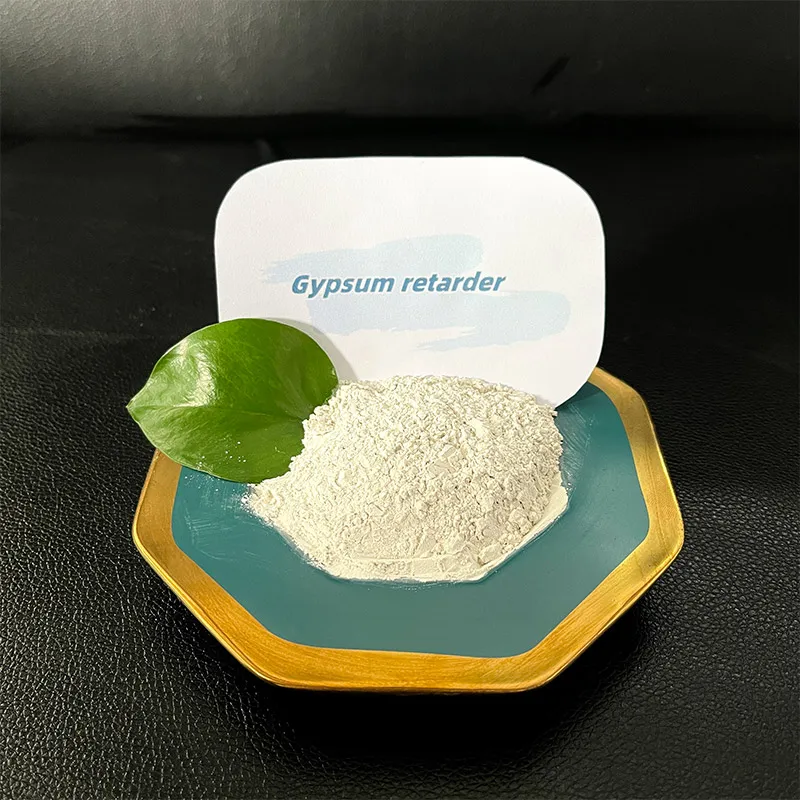
In the construction industry, particularly in plastering, retarder in gypsum plays a crucial role in enhancing the workability and performance of gypsum-based products. A gypsum retarder is an additive that slows down the setting time of gypsum, allowing workers to apply the material more easily and with more flexibility. This becomes particularly useful in large-scale applications, where time management and smooth application are essential for achieving high-quality finishes. The addition of a gypsum retarder not only prevents premature setting but also enhances the material’s usability, making it easier for workers to mix, spread, and smooth out the plaster on walls and ceilings. This is especially beneficial in high-traffic projects or in situations where multiple layers of plaster need to be applied. The retarder in gypsum ensures that the plaster doesn't set too quickly, which could result in uneven surfaces or unfinished work. One of the key advantages of using a gypsum retarder is that it gives professionals the extra time they need to adjust and perfect their work. It allows for consistent results even under tight deadlines or in difficult conditions, which is crucial in construction and renovation projects where precision is key. The Importance of Easy Mix Plaster Retarder for Efficient Workflows An easy mix plaster retarder is an essential tool for any professional working with plaster or gypsum. This type of retarder is specifically designed to simplify the mixing process, enabling workers to achieve the ideal consistency without the stress of rushed drying times. With an easy mix plaster retarder , workers can focus on getting the plaster to the right consistency before it starts setting, resulting in a smoother and more durable finish. What makes an easy mix plaster retarder particularly beneficial is its ability to maintain the material’s workability for extended periods, even in hot weather, which can otherwise cause plaster to set too quickly. By introducing a retarder into the mix, it is possible to maintain optimal plaster consistency and extend working time, ensuring no material is wasted and the application remains flawless. Moreover, the easy mix plaster retarder helps achieve more uniform plaster layers, ensuring consistent thickness and adhesion across the surface. This is particularly important when working on larger surfaces or projects that require more attention to detail, like ornate ceilings or walls with intricate designs. How a Gypsum Retarder Enhances Performance in Plastering Using a gypsum retarder is not just about slowing down the setting time of plaster—it also improves the overall performance of the material in plastering applications. Gypsum, when mixed without a retarder, can harden too quickly, leaving workers with limited time to achieve a smooth and even application. A gypsum retarder allows workers more time to manipulate the material, leading to more precise and even results. In addition to improving the ease of application, a gypsum retarder can also enhance the final appearance of the plaster. It helps to reduce the likelihood of cracking or shrinking during the curing process, which can be caused by the rapid setting of gypsum. By using a gypsum retarder , the material stays workable for longer periods, ensuring a smooth finish that is free of imperfections. This extended working time also gives workers the flexibility to apply multiple coats of plaster without the risk of the first layer setting prematurely. This is especially important in projects that require thicker layers of plaster, such as when leveling uneven walls or creating decorative features. The Advantages of Using Retarders in Gypsum-Based Materials The application of retarder in gypsum offers multiple benefits to both construction professionals and the quality of the final product. The most immediate advantage is the extended working time it provides, which enables workers to achieve a more consistent and high-quality finish. Without a retarder, gypsum can set too quickly, leading to poor application, uneven surfaces, and wasted material. Another advantage of gypsum retarders is that they improve the overall strength and durability of the plaster. When gypsum sets too quickly, it can result in cracks and an uneven texture, which diminishes the overall strength of the wall or surface. By using a gypsum retarder , the material sets gradually, allowing it to form a stronger bond and reducing the likelihood of cracks or weak points in the plaster. Additionally, gypsum retarders can be especially useful in larger projects or those requiring complex designs. The extra working time ensures that workers can complete large areas of plastering without the pressure of fast-setting materials, which is crucial for ensuring consistency and a high-quality finish across the entire surface. What is the Best Time to Use a Retarder in Gypsum? Using a retarder in gypsum is an effective way to extend the working time of plaster and improve the overall quality of the finish. However, it is important to know when and how to use a gypsum retarder for optimal results. For example, it is particularly useful when working in warm environments, as high temperatures can cause gypsum to set too quickly. In these conditions, adding a gypsum retarder will give workers more time to smooth and perfect the plaster without the fear of premature setting. Another scenario where a gypsum retarder is beneficial is when working on intricate plaster designs. These require more time for careful application and finishing, and a retarder can prevent the plaster from hardening before the design is complete. This is crucial for decorative plastering, where precision and smoothness are key. gypsum retarder FAQs What is a gypsum retarder used for? A gypsum retarder is an additive used to slow down the setting time of gypsum-based products. It allows workers to apply and work with the plaster over an extended period, ensuring a smooth and even finish without the material setting too quickly. How does a gypsum retarder affect the drying time? A gypsum retarder extends the drying time of gypsum by delaying the chemical reaction that causes it to set. This gives workers more time to manipulate the material, apply it properly, and achieve a better final result without the pressure of rapid setting. Can a gypsum retarder be used in all types of plastering projects? Yes, a gypsum retarder can be used in most plastering projects where extended working time is needed, such as large-scale applications, intricate designs, or when working in high-temperature environments. It ensures that the plaster remains workable and manageable for longer periods. What is the difference between a gypsum retarder and an easy mix plaster retarder? While both types of retarders slow down the setting time, an easy mix plaster retarder is specifically formulated to simplify the mixing process, making it easier to achieve the right consistency. On the other hand, a gypsum retarder is designed to work specifically with gypsum-based products, improving their overall workability and performance. Are there any downsides to using a gypsum retarder? While gypsum retarders offer many benefits, overuse can lead to a weaker final product or extended curing times. It is important to follow manufacturer guidelines and use the retarder as needed to avoid any potential negative effects on the material’s final strength.
advantages
-

200000 Viscosities
Excellent product
We can produce pure products up to 200,000 viscosities
-

40000 tons
High yield
We don’t stop production all year round, and the annual output can reach 40,000 tons
-

24 hours
Quality service
We provide 24-hours online reception service, welcome to consult at any time
———— Inquiry Form
Schedule A services

-
 hpmc_4000_cps
Oct . 25, 2025
The Significance of Nylon Fiber in Modern Textiles Nylon fiber, first introduced in the 1930s, revol -
 prix_de_la_fibre_pp
Oct . 25, 2025
Acrylic fiber, a synthetic fiber made from a polymer called polyacrylonitrile, offers unparalleled v -
 glass_fiber_reinforced_pp
Oct . 25, 2025
Hydroxypropyl methylcellulose (HPMC) , a versatile polymer traditionally used in pharmaceuticals and


